

Why Water Loss Isn’t the Only Challenge Facing Irrigation Infrastructure

For many people, the biggest challenge facing irrigation canals is simple: water loss.
Seepage through unlined or deteriorating canals can waste valuable water, reduce network efficiency and increase operating costs. But while preventing water loss is essential, it is only one part of a much bigger picture.
Around the world, irrigation authorities are facing ageing infrastructure, tighter budgets and increasing pressure to deliver more resilient water networks. At the same time, maintenance windows are becoming shorter and disruption to water supply is less acceptable than ever.
The question is no longer just how do we repair irrigation canals?
It is how do we extend the life of existing infrastructure quickly, safely and with minimal disruption to water users?
Extending the Life of Existing Infrastructure
Replacing an entire canal is rarely the preferred option.
Many irrigation networks have operated successfully for decades and still form a critical part of regional water infrastructure. In many cases, the priority is extending the life of these assets while reducing future maintenance requirements.
This means selecting solutions that can be installed efficiently, perform over the long term and minimise operational downtime.
As water scarcity becomes a growing global challenge, making the most of existing infrastructure is becoming just as important as building new assets.
The Challenge with Traditional Canal Lining
Conventional concrete has long been the default choice for canal lining and asset renewal. While effective, it often presents practical challenges.
Installation can require significant site preparation, specialist equipment and long construction programmes. For irrigation authorities, extended closures can affect agricultural operations, water availability and project costs.
That is why many organisations are now evaluating alternative approaches that reduce disruption while still delivering long-term performance.
Looking Beyond Conventional Concrete
Geosynthetic Cementitious Composite Mats (GCCMs) provide an alternative approach to protecting and renewing irrigation canals.
Supplied in rolls, GCCMs can be installed much faster than conventional concrete and require significantly less equipment. Once hydrated, they form a durable concrete layer that helps protect canals against erosion, seepage and vegetation growth.
GCCMs can be installed on both soil and existing concrete surfaces so rather than replacing entire assets, GCCMs offer a practical solution for extending the life of existing canals, reducing maintenance requirements and minimising disruption during installation.
Proven Around the World
This approach is already being used on irrigation projects across multiple continents.
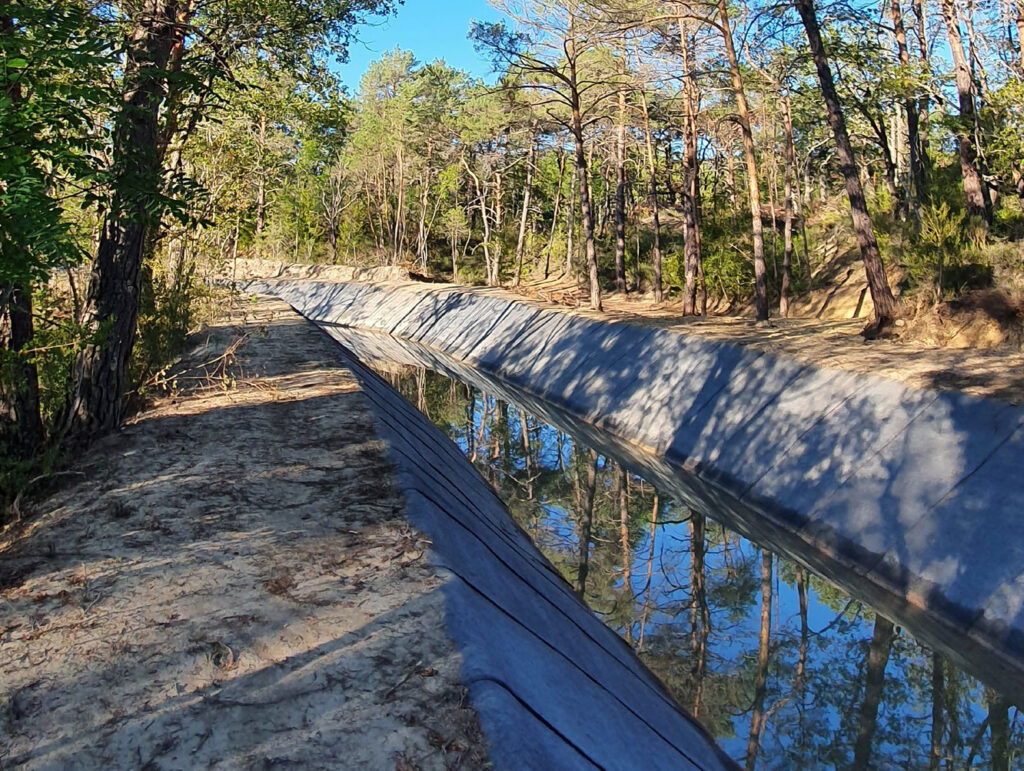
Approximately 15,000m² of CCX-M® was installed to line part of one of France’s most important irrigation canals. Three years later, the material continues to protect the canal and support the long-term performance of the network.
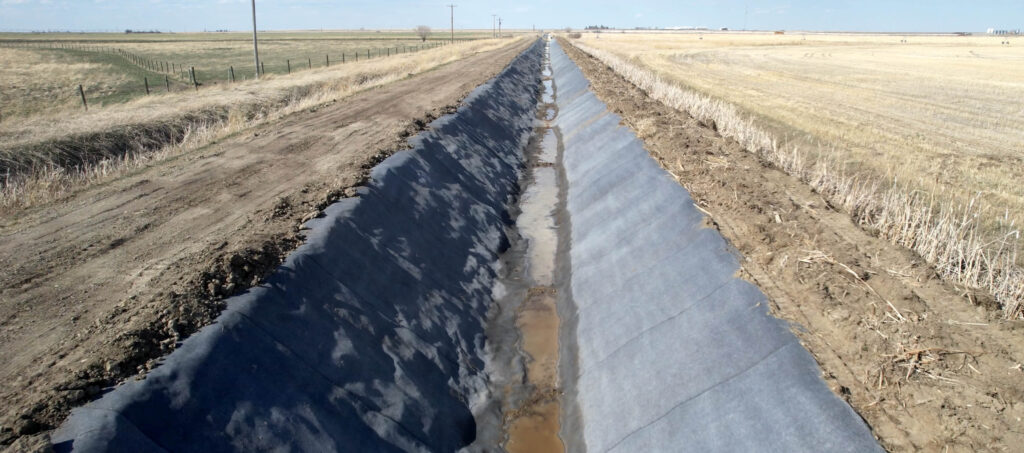
An irrigation canal experiencing seepage issues was lined using CCX-M®, helping reduce water loss, improve asset protection and minimise future maintenance requirements.
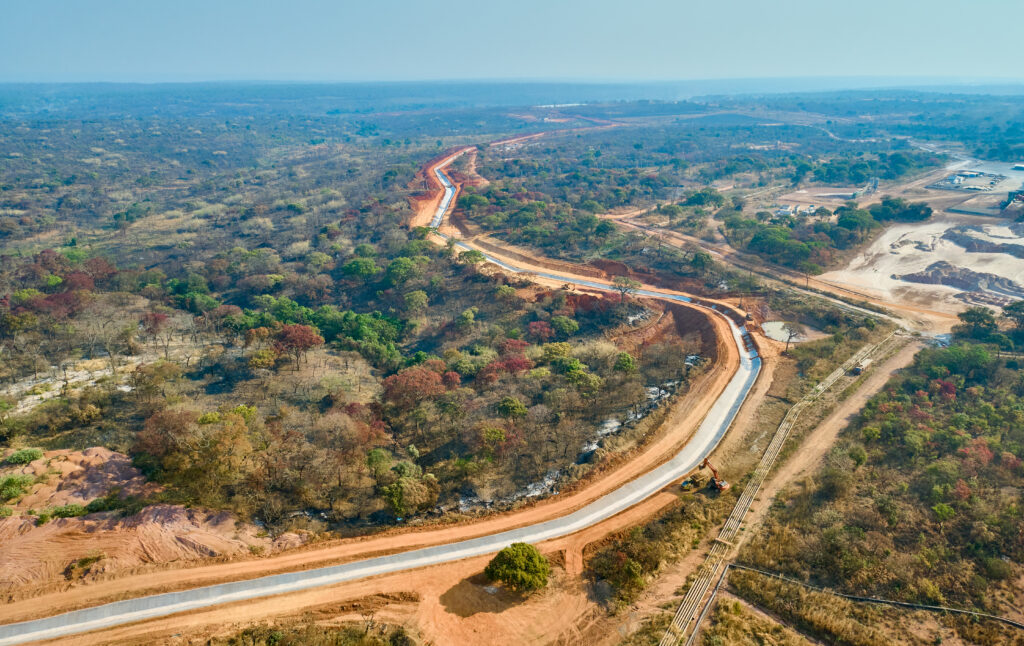
Kolwezi, Democratic Republic of Congo
Approximately 32,000m² of CCX-M® was installed to line a 4km canal carrying pumped water from settling ponds to a river outlet.
The solution was selected to protect the lateritic subgrade from erosion, prevent water from permeating back into the mine and accommodate flow rates of up to 6m/s. A team of 10 installers achieved an average installation rate of 950m² per day, helping complete the work quickly ahead of the rainy season.
Together, these projects show how GCCMs can support canal lining, asset protection and long-term performance across a range of irrigation environments.
Looking Ahead
As irrigation authorities continue to respond to climate change, ageing infrastructure and increasing water demand, long-term asset management strategies will become increasingly important.
The future is not simply about replacing ageing assets. It is about making smarter decisions that improve performance, reduce maintenance and maximise the value of existing infrastructure.
For engineers, consultants and water authorities, that means considering solutions that can be delivered efficiently without compromising long-term durability.
Join Our Upcoming Irrigation Webinar
Discover how GCCMs are helping improve irrigation infrastructure while reducing disruption and supporting long-term asset performance


Canal de Provence, France
15,000m² of CCX-M® installed in Saint-Julien to line the Canal du Verdon, providing durable erosion control

Alberta, Canada
3,300m² of CCX-M® installed in Alberta by SMRID, reducing seepage and completing canal lining in under three days


Kolwezi, DRC
CCX-M® installed at Kolwezi Mine, DRC, providing rapid erosion control and water management for a 4km canal

Chile, Bellavista Canal
18,000m² of CC5™ lined Bellavista irrigation channel in Chile, stopping water loss in just 40 days