

So, What Does Better Irrigation Performance Look Like?

Last time, we looked at why water loss is only part of the challenge facing irrigation infrastructure.
Ageing canals, increasing water scarcity and the need to keep vital networks operational are putting greater pressure on asset owners to make existing infrastructure work harder and last longer.
But what does that actually look like in practice?
Around the world, irrigation projects are facing different versions of the same problem: how do you keep water moving, protect the infrastructure carrying it and minimise unnecessary losses?
These projects show some of the different ways Concrete Canvas® GCCMs are being used to address those challenges.
So, what challenge was each project trying to solve?
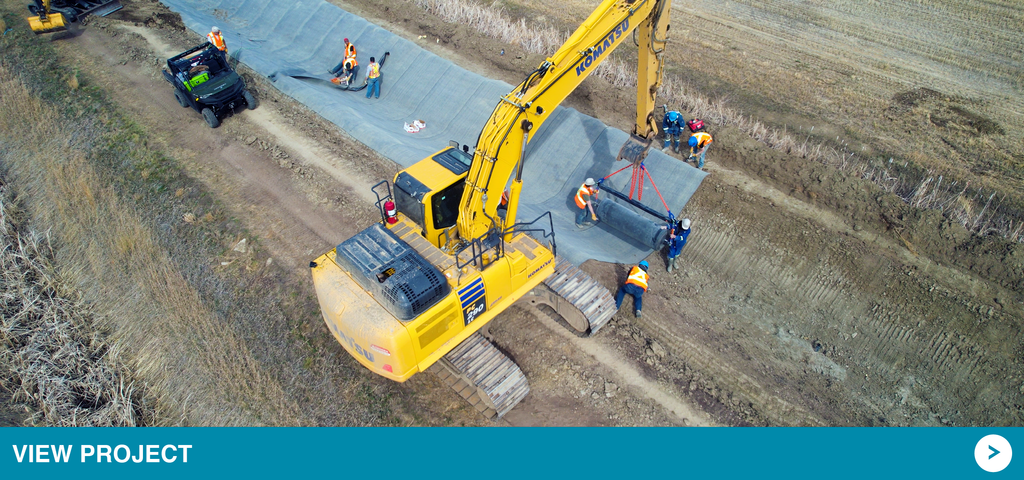
Alberta, Canada
What happens when an irrigation canal is already losing performance?
Remediation does not always mean starting again. This project shows how CCX-M® can be used to line existing canal infrastructure and support improved long-term performance.
For ageing assets, the key question is often whether the existing infrastructure can be improved rather than completely replaced.
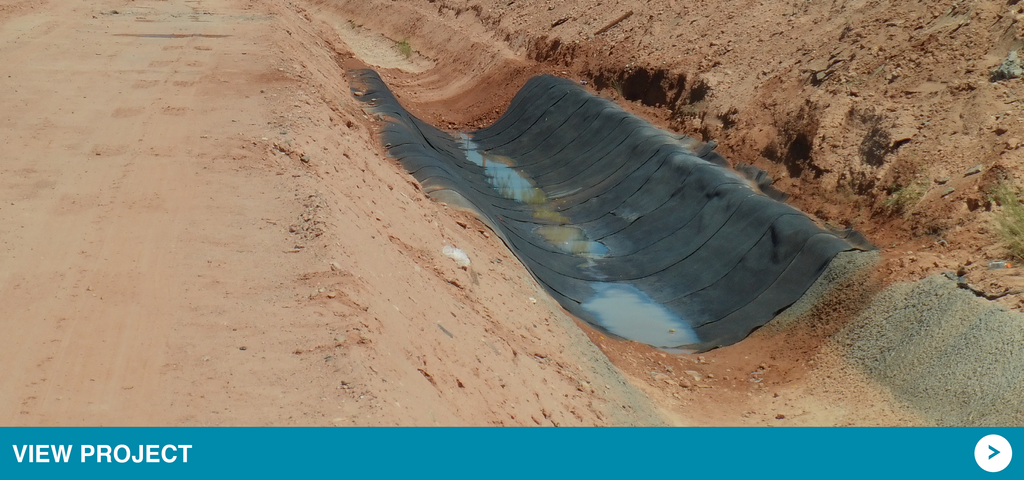
Phoenix, Arizona
Can canal lining help tackle seepage without full reconstruction?
That was the question behind this CCX® trial in Arizona, exploring how GCCM technology could provide another option for reducing water loss through existing infrastructure.
It is a useful reminder that canal rehabilitation does not always have to begin with reconstruction.
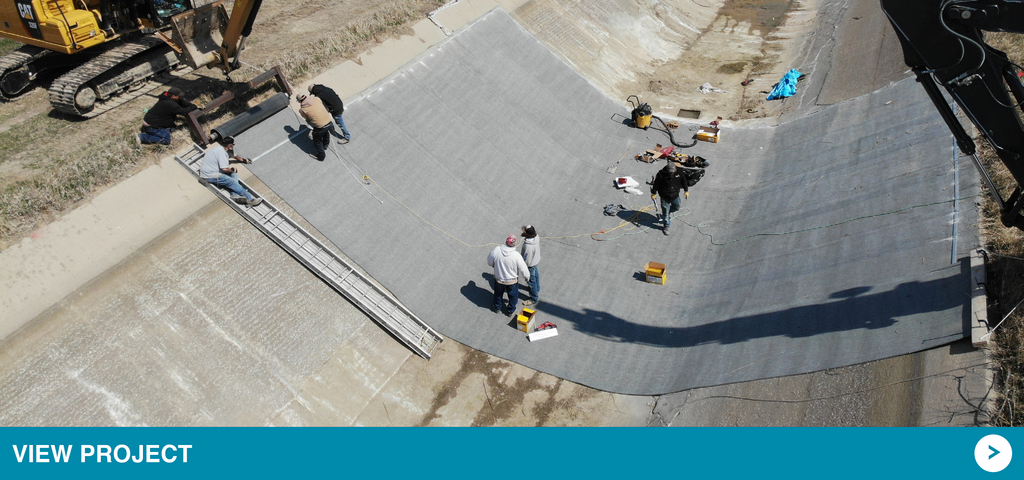
Twin Loup, Nebraska
Sometimes the problem is not moving water — it is keeping it there.
CCX-M® was used as part of the remediation of this canal, helping address water loss while protecting the existing asset.
Where seepage is affecting performance, the lining itself becomes an important part of keeping more water within the network.
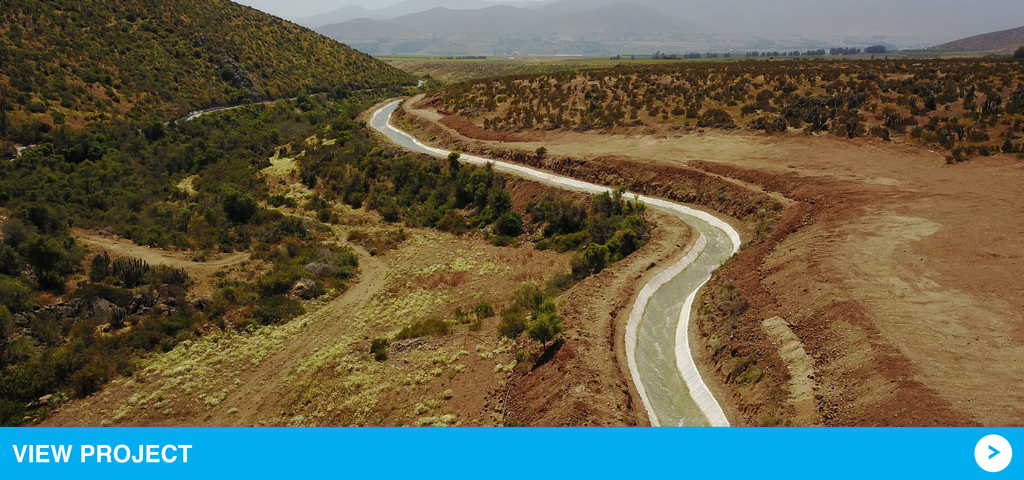
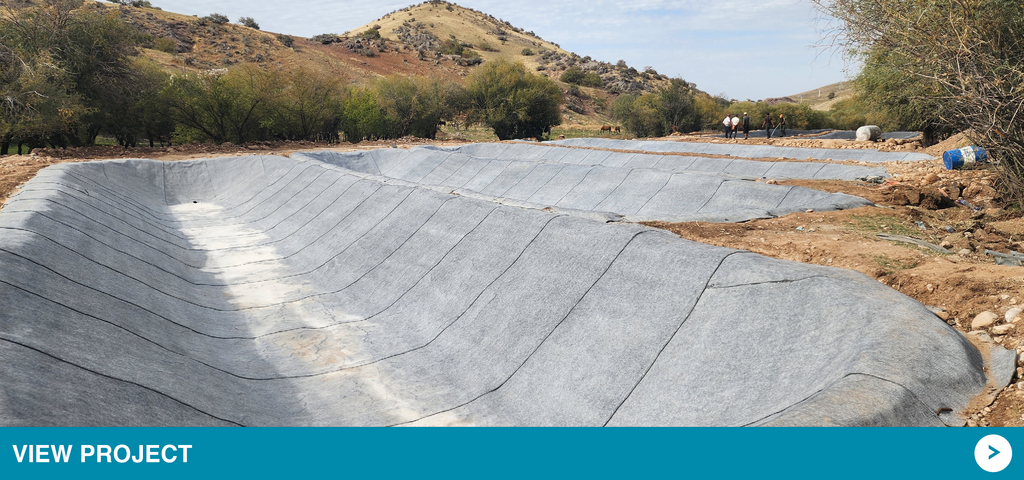
La Serena, Chile
What if the biggest constraint is time?
When irrigation infrastructure needs to return to service quickly, installation speed becomes part of the solution. This project shows how Concrete Canvas® was used to remediate a damaged irrigation channel with minimal delay.
For an operational irrigation network, downtime can be just as important as the repair itself.
Kazakhstan
Can GCCMs form part of new irrigation infrastructure too?
GCCMs are not limited to remediation. This project shows how CCX-M® can also form part of newly constructed water infrastructure.
That distinction matters. The technology can support both the improvement of existing assets and the delivery of new irrigation infrastructure.
North Sterling, Colorado
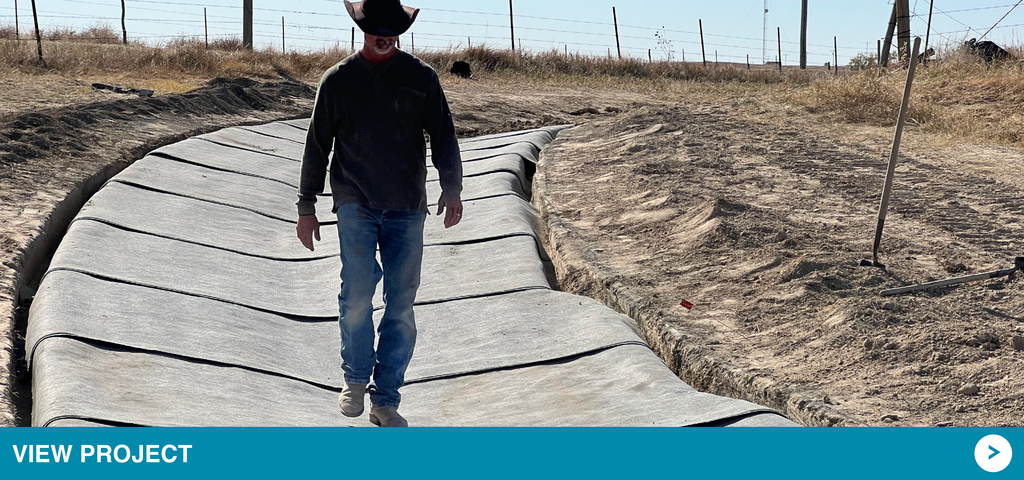
Not every irrigation challenge starts with seepage.
Erosion can also threaten the long-term performance of water infrastructure. Here, CCX-M® was used to provide erosion control protection around an overspill swale.
It is another example of why irrigation performance is about more than water retention alone. Protecting the surrounding infrastructure is part of maintaining the network too.
So, What Do These Projects Tell Us?
No two irrigation projects are exactly the same.
One may be dealing with seepage, another erosion, an ageing canal or a limited maintenance window. What these examples show is that improving irrigation performance is not simply about choosing a lining material.
It is about understanding what the asset needs to achieve, how quickly work needs to be completed and how disruption can be minimised.
As pressure on water infrastructure continues to grow, getting more from the assets already in place will become increasingly important.